Neuro
Physiotherapy
Our specialized neuro-physiotherapy program focuses on restoring lost movement and functional independence through neuroplasticity-based protocols. We treat complex conditions including Stroke, Spinal Cord Injury (SCI), Traumatic Brain Injury (TBI), and Parkinson's, alongside intensive balance training.
Clinical Methodology
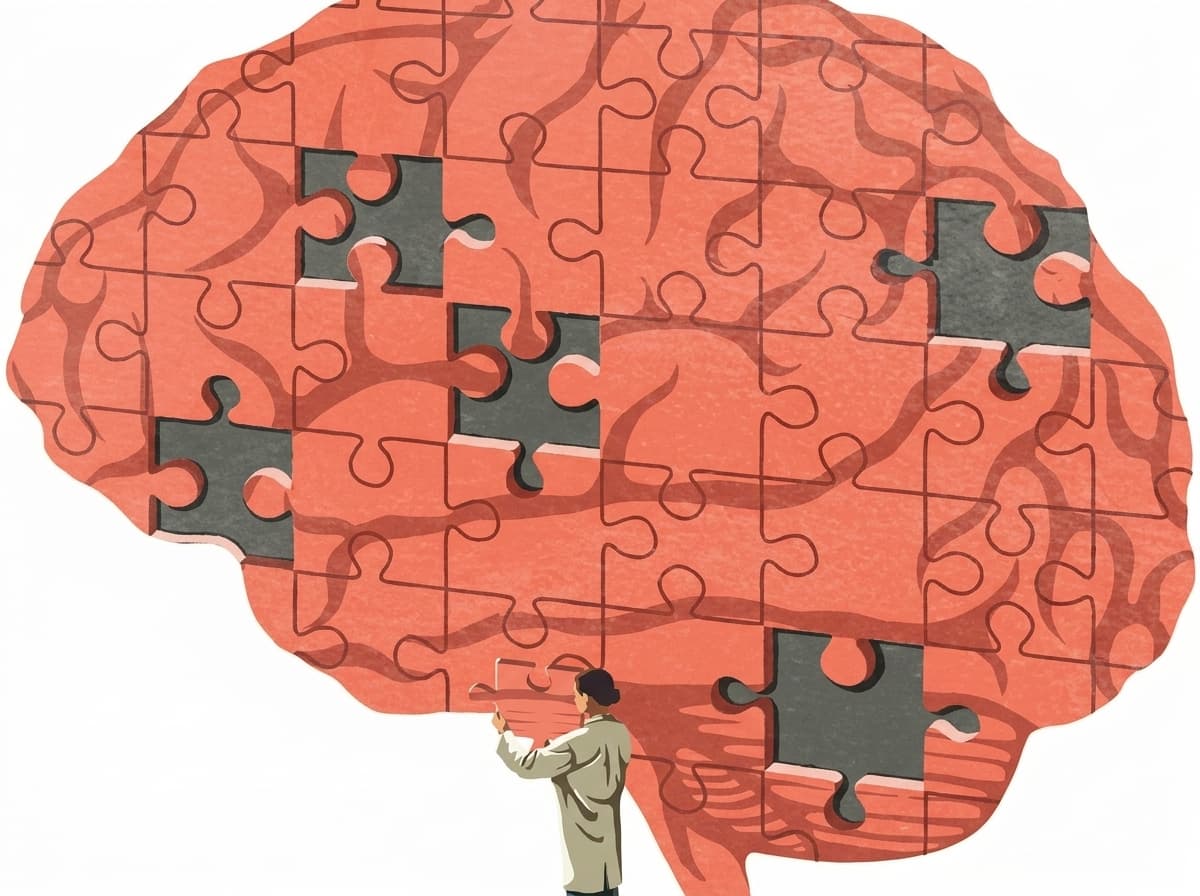
Our approach to Neuro Physiotherapy is rooted in the latest neurological research and evidence-based practice. We focus on neuroplasticity—the brain's ability to reorganize itself—to help patients recover lost motor functions through precision mapping and intensive therapy.
By combining intensive manual therapy with task-specific training, we ensure that the progress made in our clinic translates directly to better quality of life and independence at home.
Core Recovery Pillars
Advanced Clinical Approaches
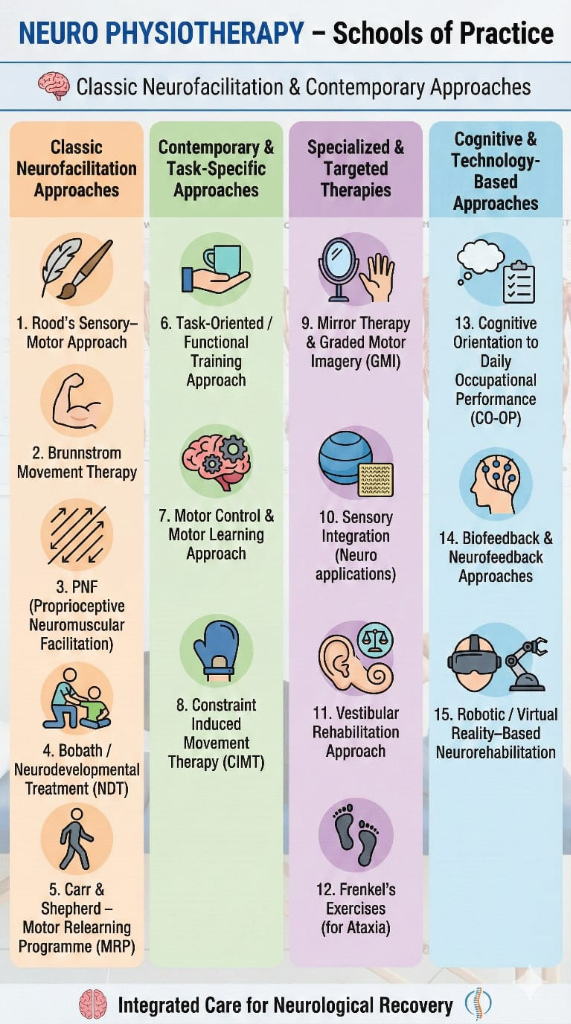
We utilize a comprehensive range of evidence-based neurorehabilitation techniques tailored to your specific recovery needs.
Rood’s Sensory–Motor Approach
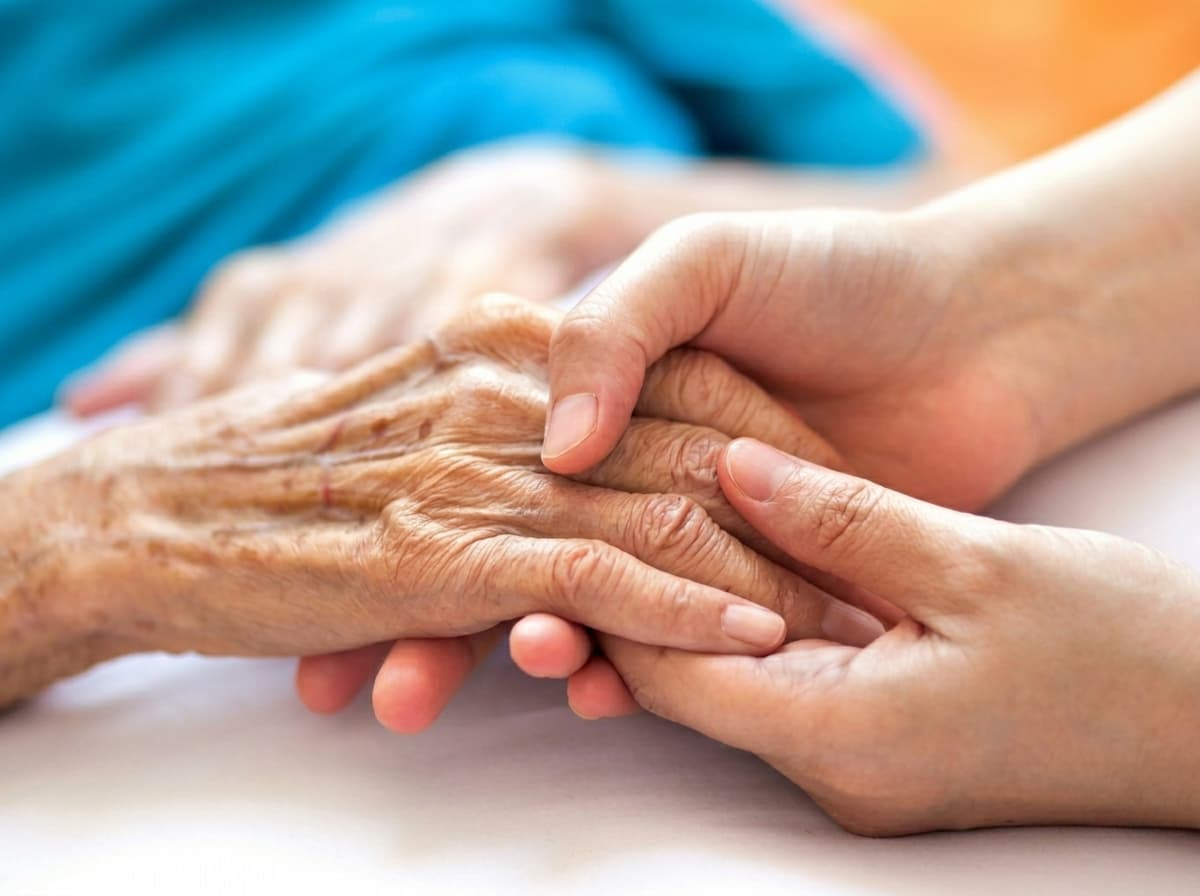
Sometimes, the body just needs the right kind of input to respond. Through gentle sensory techniques, we help muscles “switch on” or relax—so movement begins to feel possible again.
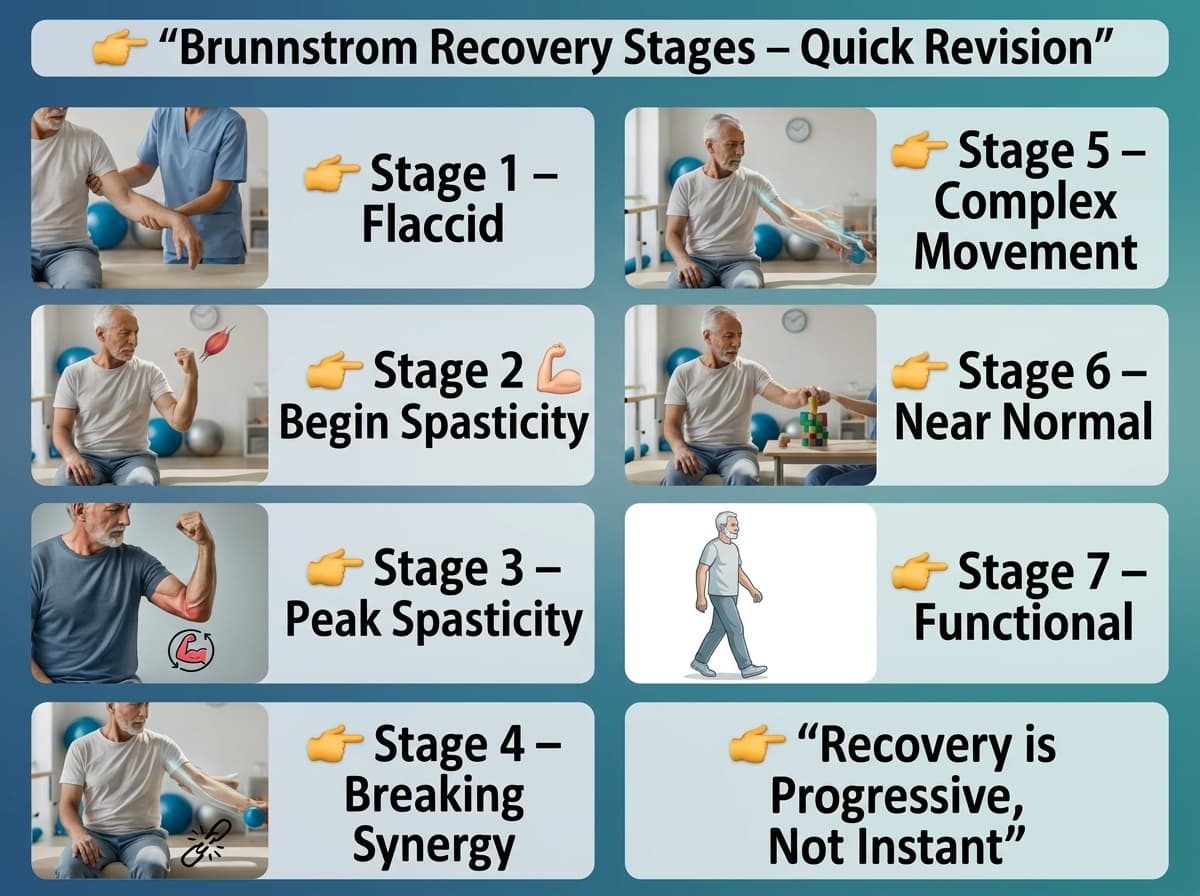
Brunnstrom Movement Therapy
Recovery doesn’t happen all at once—and that’s okay. This approach respects your body’s natural pace, guiding it step-by-step towards more controlled movement.
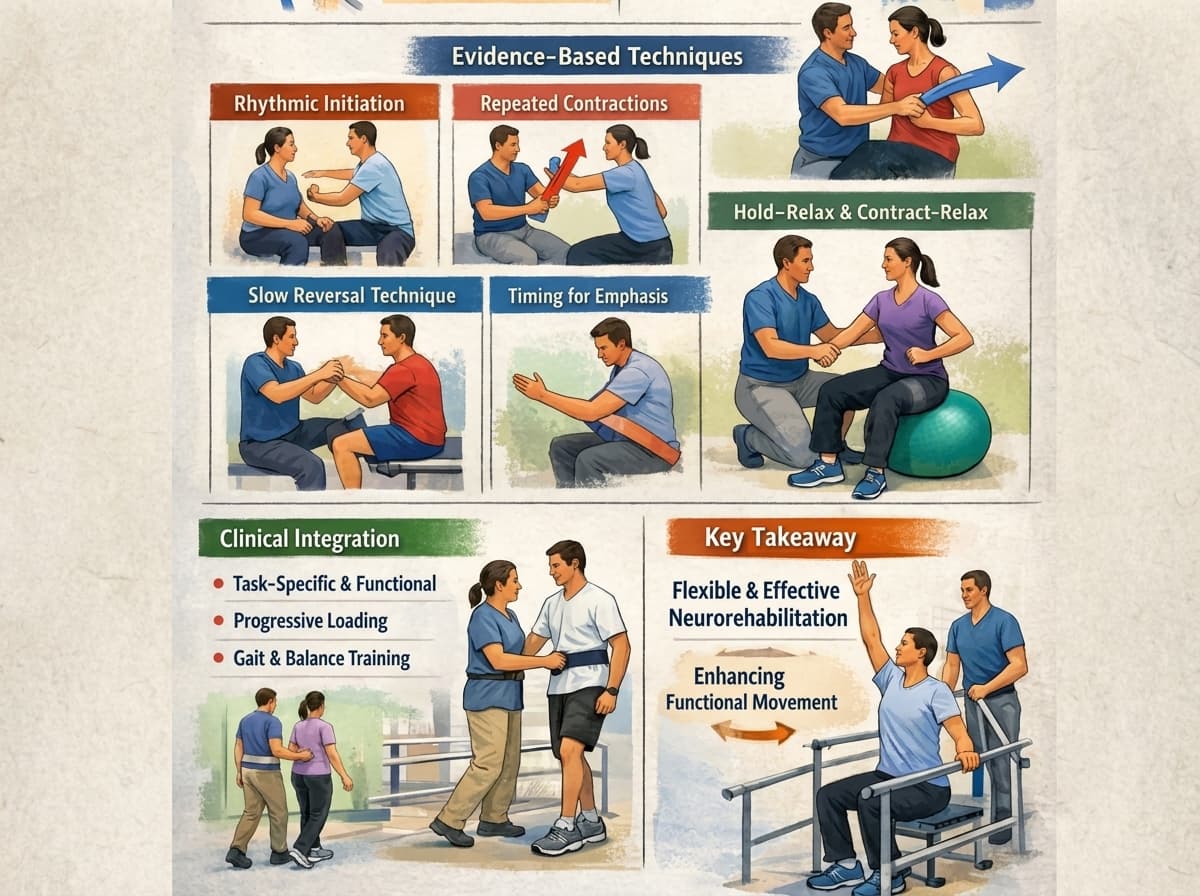
PNF (Proprioceptive Neuromuscular Facilitation)
With guided support and natural movement patterns, we help your body rediscover strength and coordination—often in ways that feel surprisingly intuitive.
Bobath / Neurodevelopmental Treatment (NDT)
When movement feels difficult or unbalanced, we gently guide the body towards better posture and smoother control—making everyday actions feel more stable.
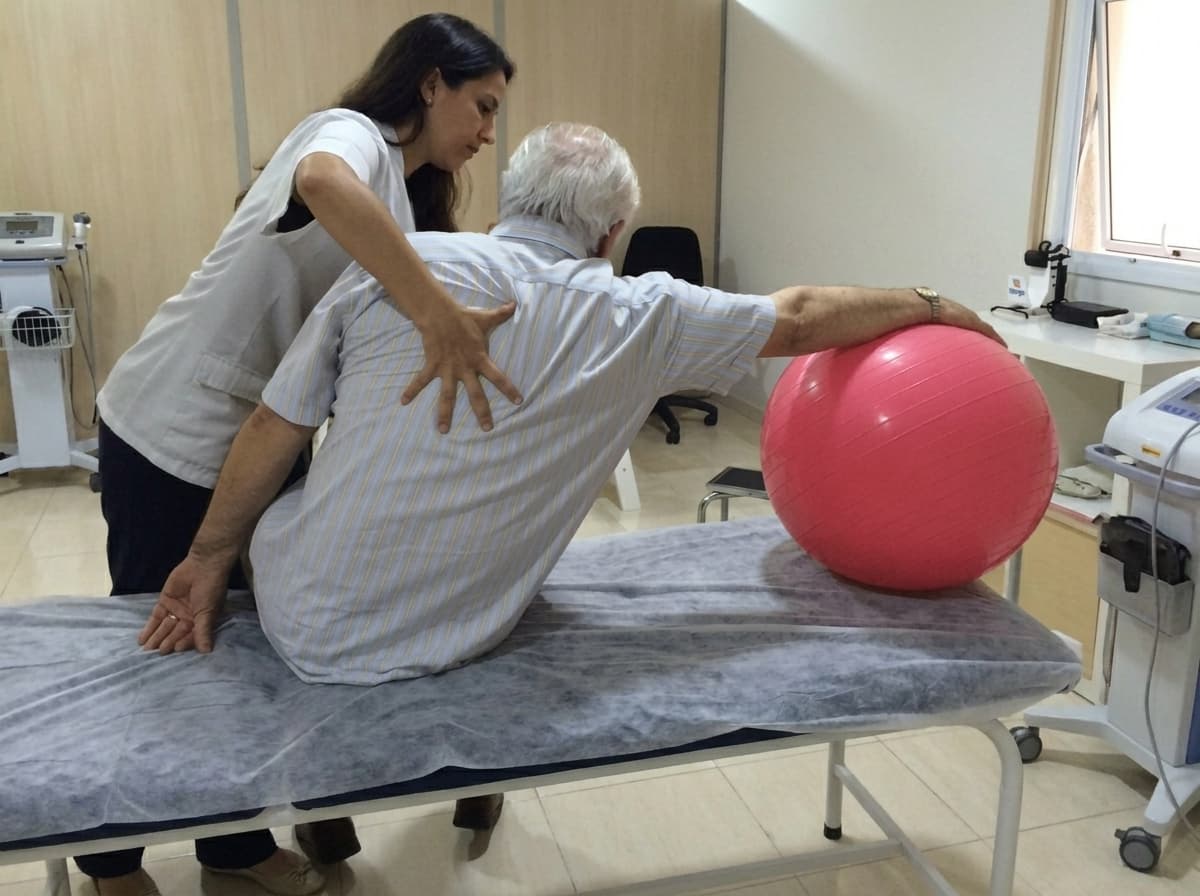
Carr & Shepherd – Motor Relearning Programme
Because real recovery is about real life, this approach focuses on helping you regain everyday movements with confidence and clarity.
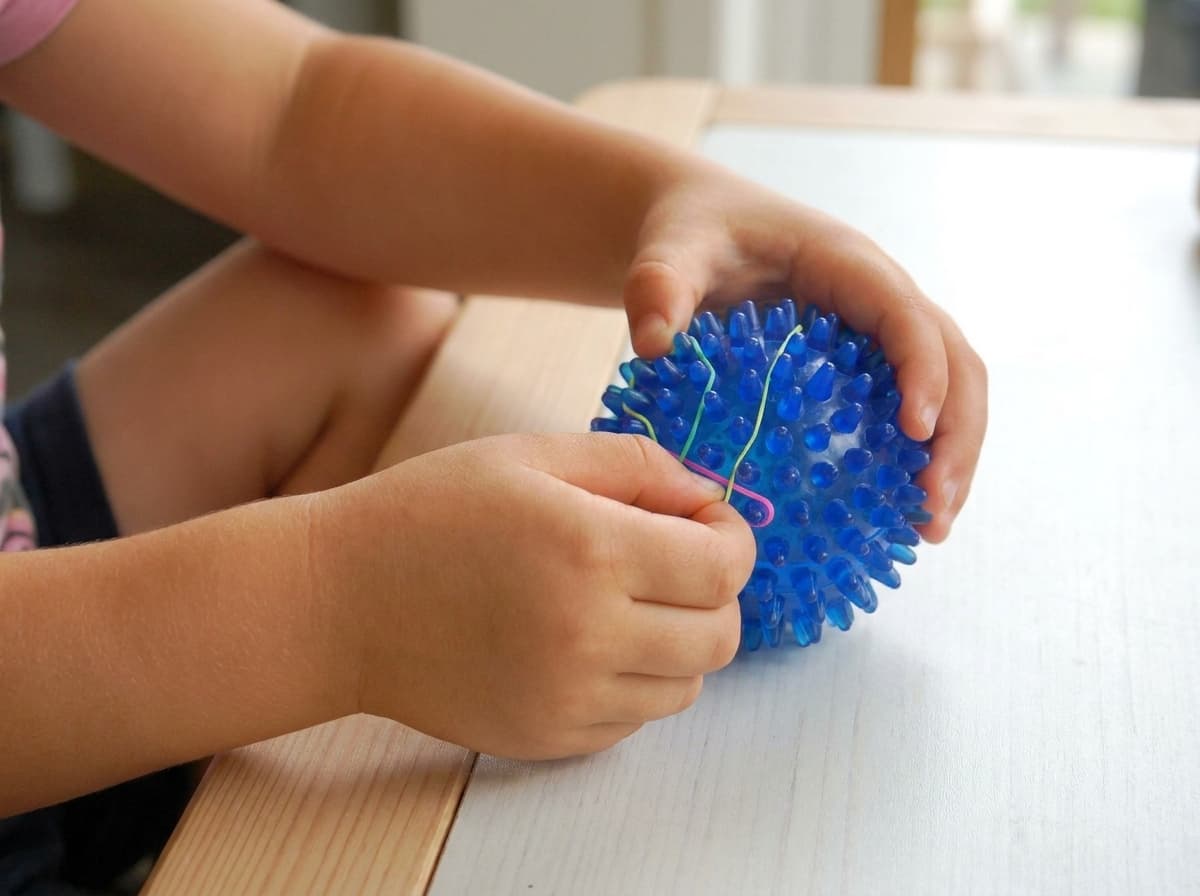
Task-Oriented / Functional Training
Therapy is built around what truly matters to you—so every session brings you closer to doing daily activities more independently.
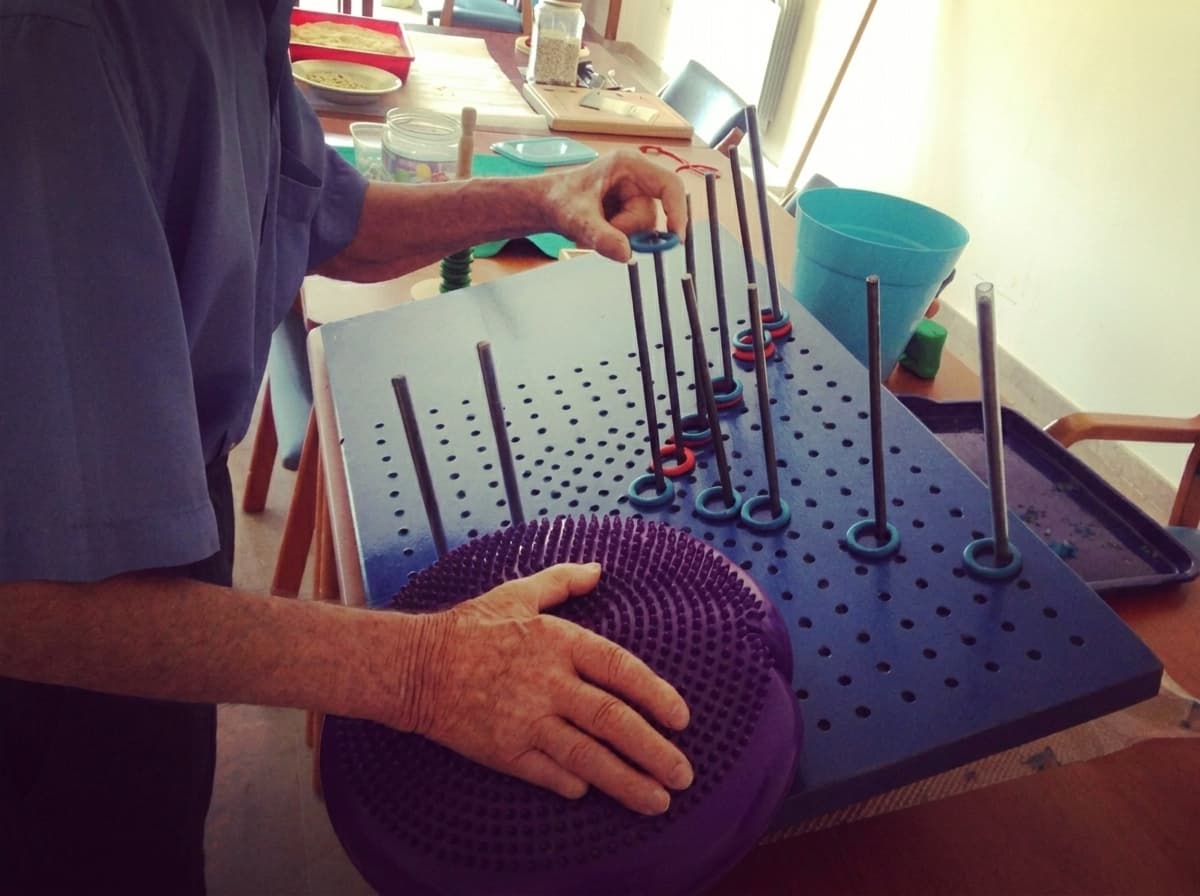
Motor Control & Motor Learning Approach
The brain is capable of relearning at any stage. With the right practice and guidance, movements become easier, smoother, and more natural over time.
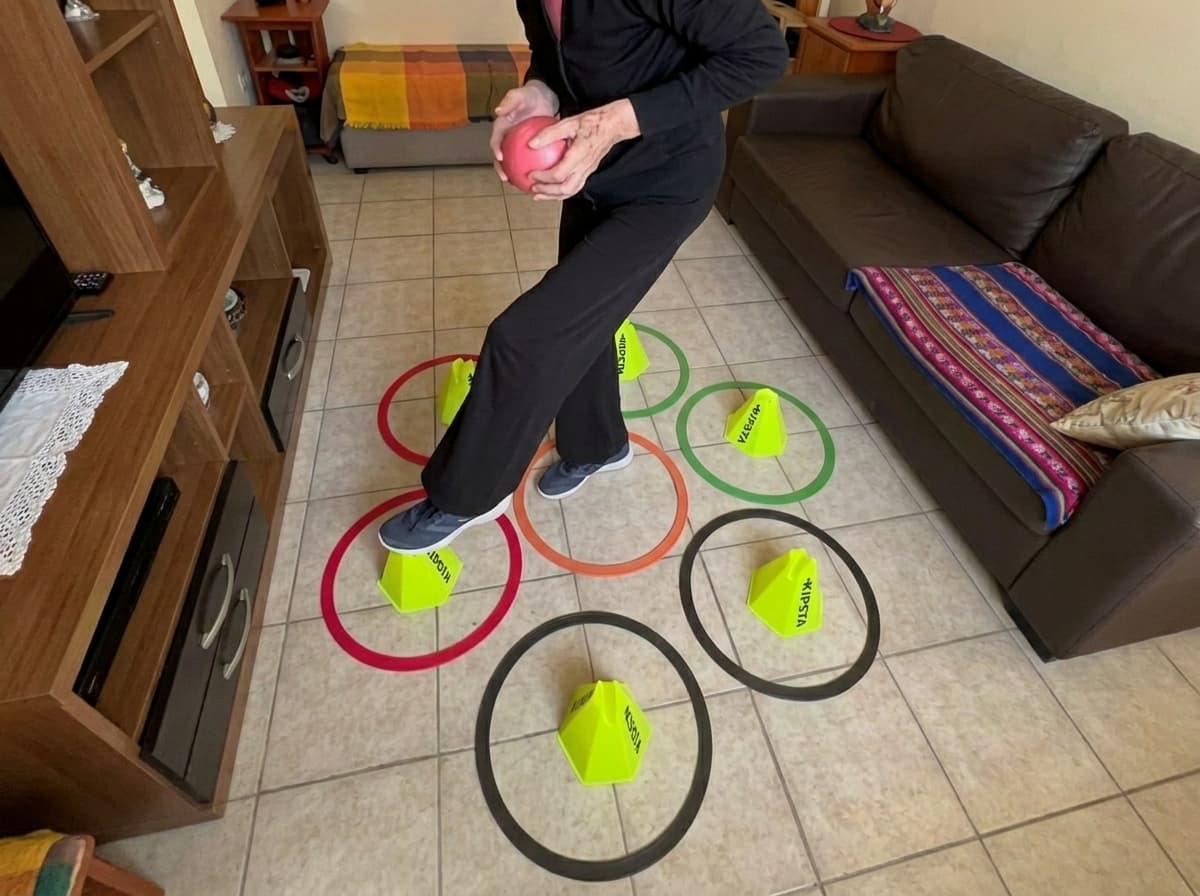
Constraint-Induced Movement Therapy (CIMT)
Sometimes, progress comes from gently challenging the body. By encouraging the affected side, we help rebuild strength, trust, and function.
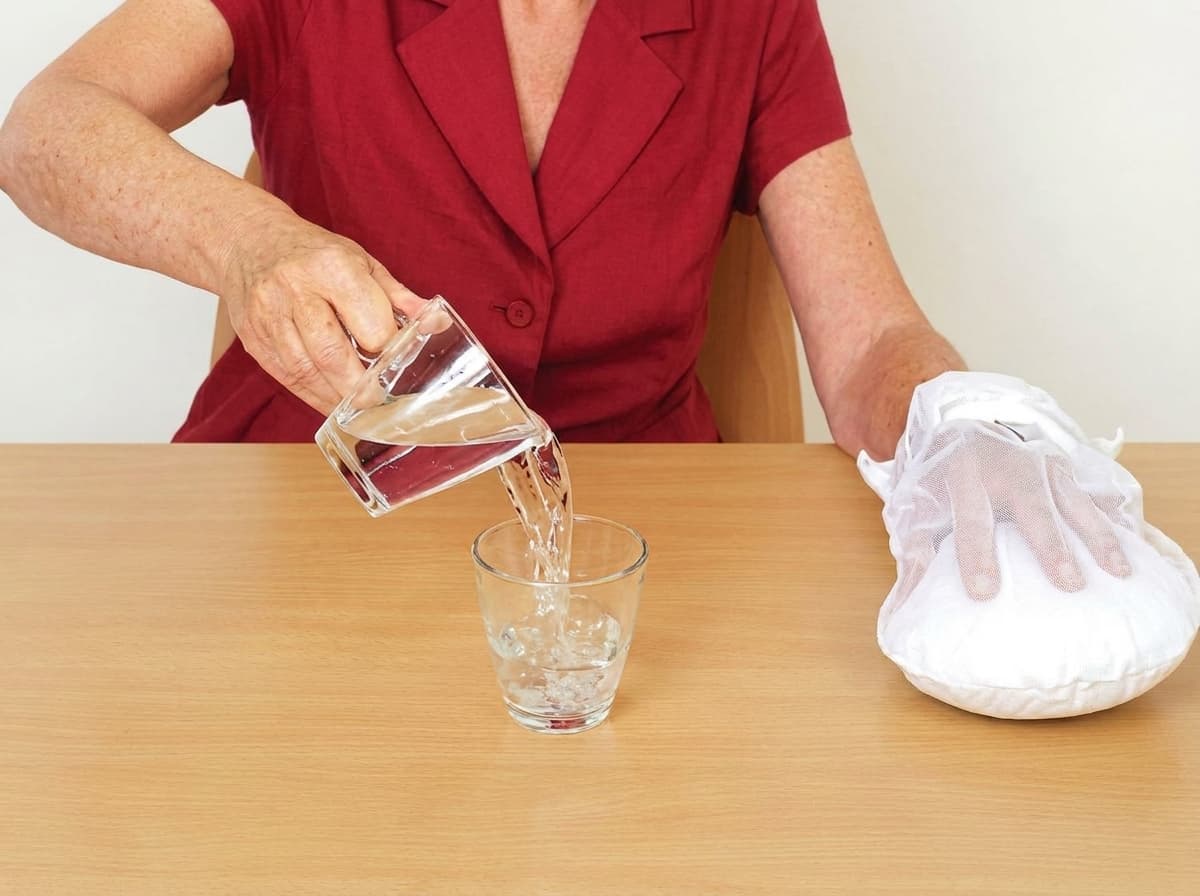
Mirror Therapy & Graded Motor Imagery (GMI)
Recovery isn’t only physical—it’s also in the brain. This approach helps rebuild those connections in subtle yet powerful ways.
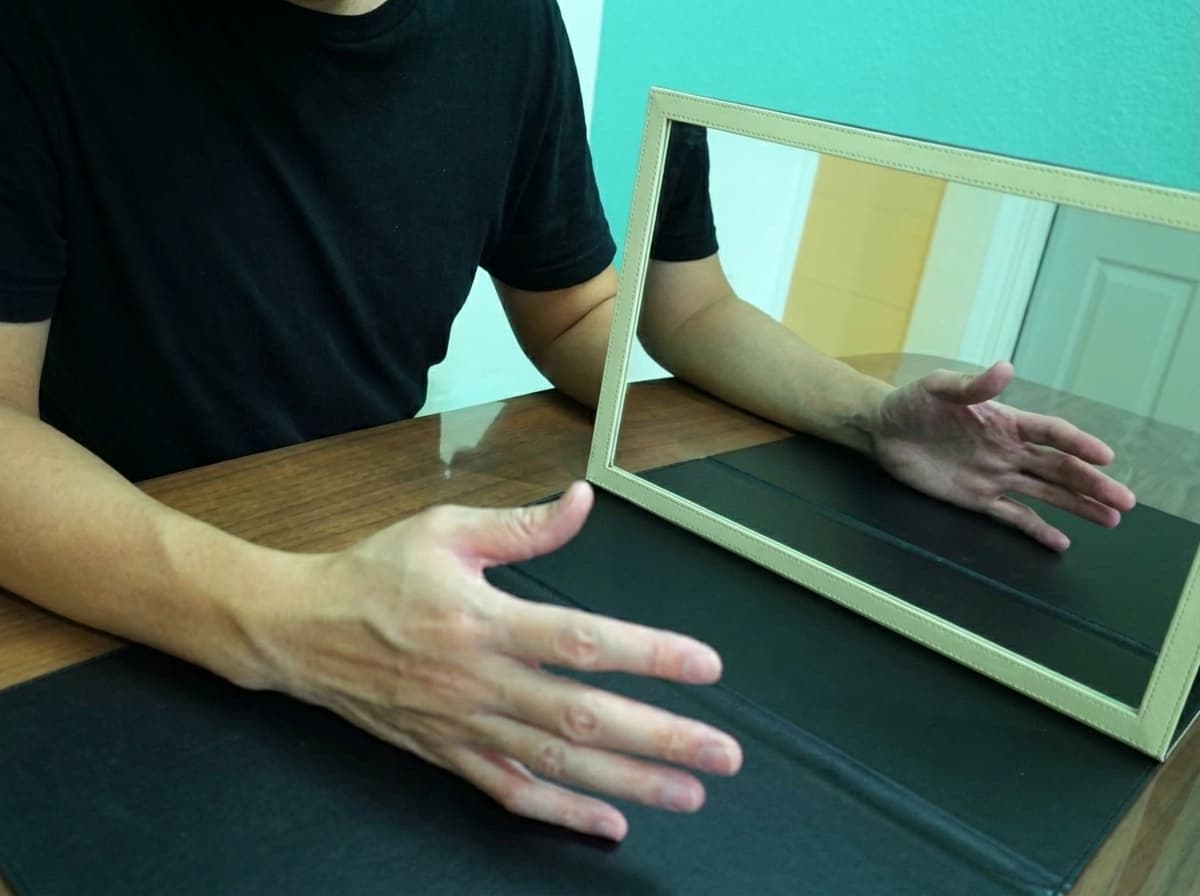
Sensory Integration (Neuro applications)
When the brain learns to process sensations better, the whole body responds differently—leading to improved coordination and comfort.

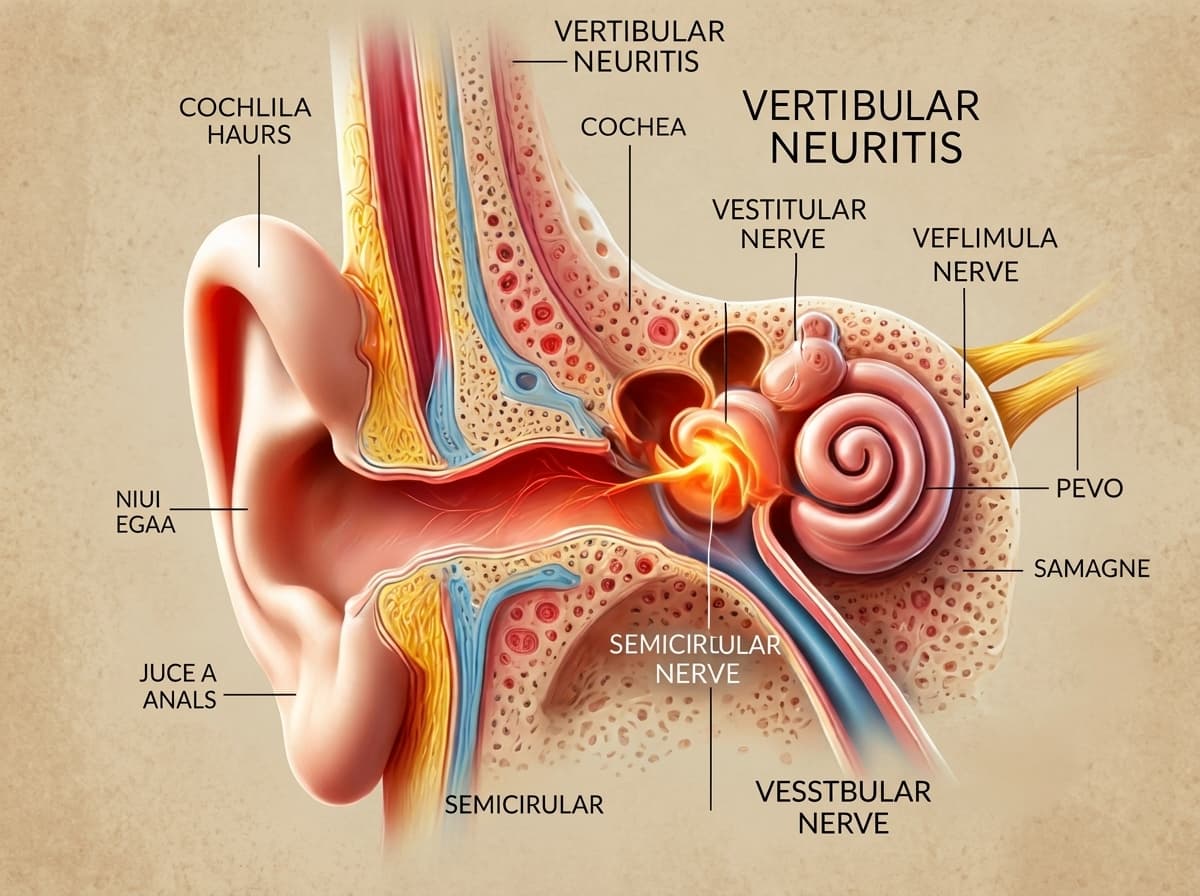
Vestibular Rehabilitation Approach
Feeling dizzy or off-balance can be unsettling. These exercises gently retrain your system, helping you feel steady and in control again.
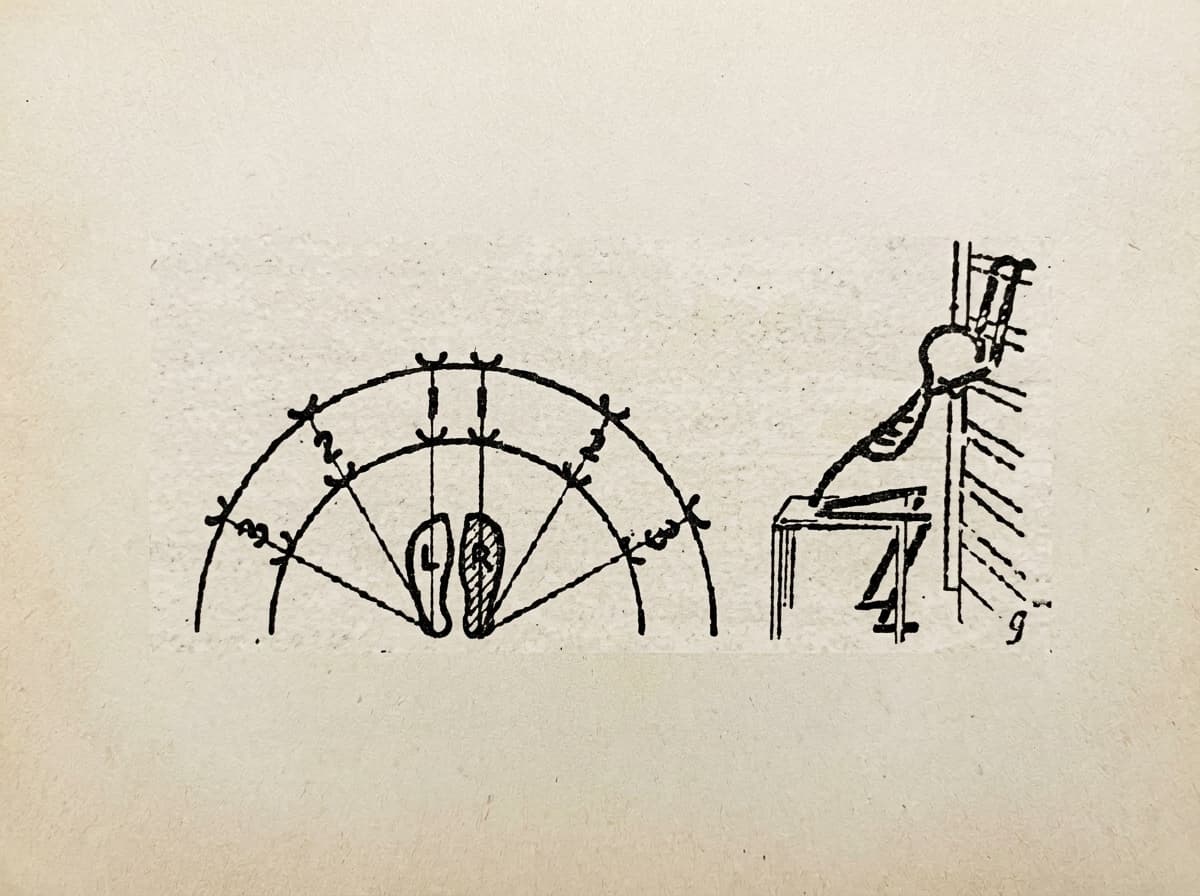
Frenkel’s Exercises (for Ataxia)
Through slow and focused movements, we help bring back a sense of control and confidence in coordination.
Cognitive Orientation to Daily Occupational Performance
We don’t just guide movement—we help you understand it. This approach builds independence by strengthening problem-solving and confidence.
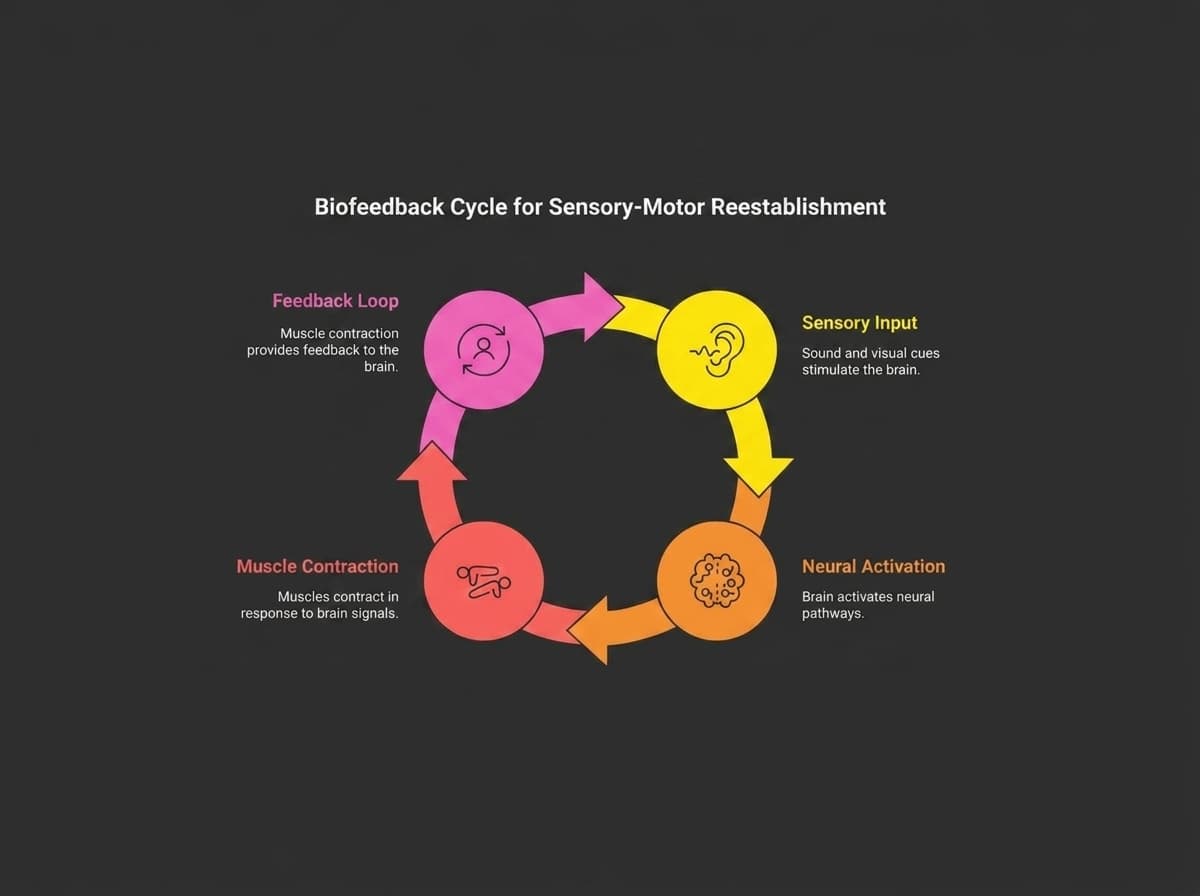
Biofeedback & Neurofeedback Approaches
Seeing how your body responds in real-time can be empowering—helping you gain better control over your movements.
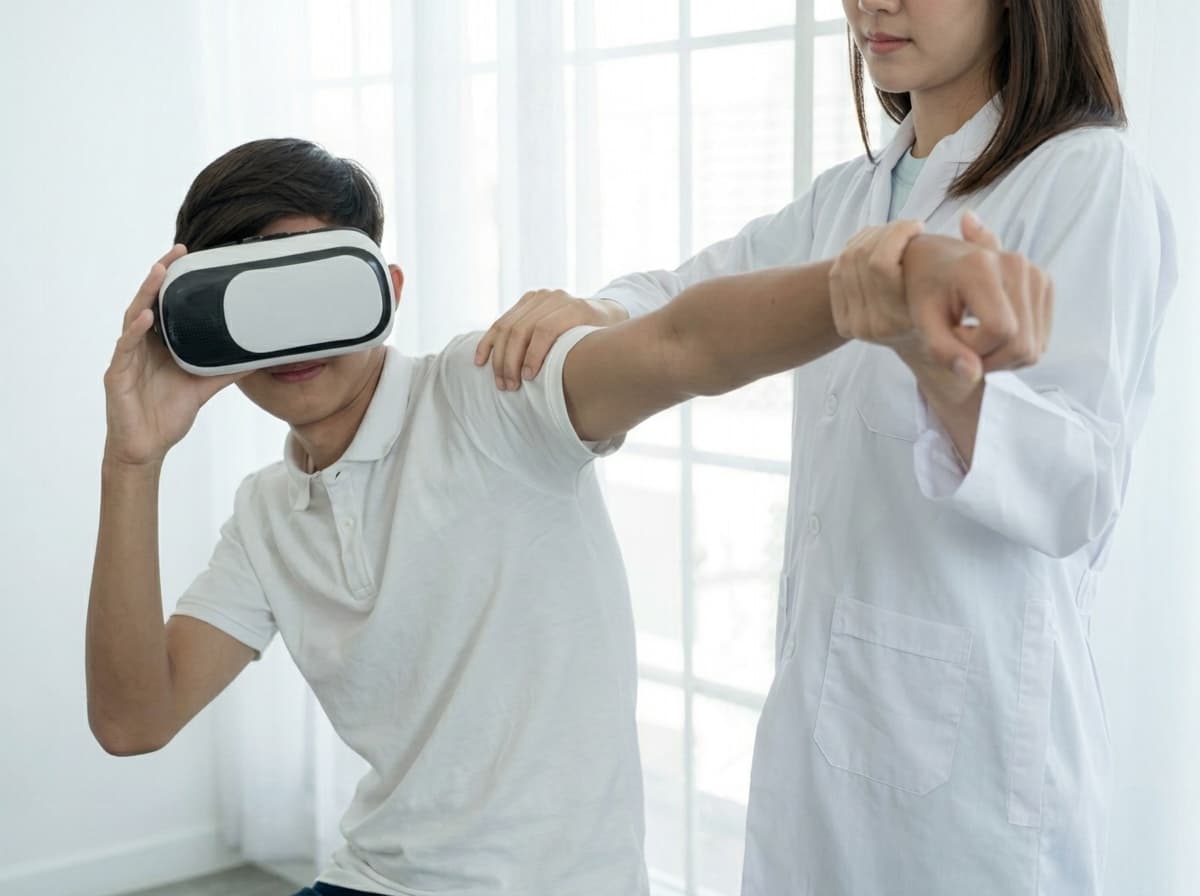
Virtual Reality–Based Neurorehabilitation
Blending technology with therapy creates engaging, precise, and motivating experiences—making recovery both effective and encouraging.
Ready to Begin
Your Recovery Path?
Consult with our multidisciplinary team to build a precision roadmap for your independence through Neuro Physiotherapy.
Schedule Clinical AssessmentReady to start your recovery journey?
Consult with our clinical experts today